News
Global warming and the Dutch context
The latest annual report from the KNMI confirms that the average temperature in the Netherlands has risen by approximately 2.3 °C since 1901, faster than the global average. Sea levels along the Dutch coast are now structurally higher than in previous decades and winters are becoming milder. For a low-lying country with more than a third of its surface below sea level, these are serious signals. Protection of the dikes, the river area and the Wadden coast requires long-term planning, reliable measurement data and clear communication with residents. The 2019 Climate Act, revised in 2023, sets the goal of reducing greenhouse gas emissions by at least 55 percent by 2030 compared to 1990, and by 95 percent by 2050. The national carbon footprint goals for 2030 are at the heart of Dutch climate policy and a reference point for the future development of industry, mobility and land use.
Solar energy
The role of the Netherlands in the European green energy transition
The Dutch electricity grid is one of the most interconnected grids in Europe. According to the Central Bureau of Statistics, around 53 percent of power generation in 2024 came from renewable sources, mainly offshore wind, rooftop solar panels and biogas from residual flows. Dutch energy organisations, regional partnerships and provincial initiatives are working on large offshore parks off the North Sea coast, smarter distribution and the expansion of hydrogen infrastructure in the ports of Rotterdam, Eemshaven and Vlissingen. The protection of marine mammals, migratory birds and fishing communities is taken into account through public environmental impact assessments. For residents, this means a future in which local generation, sustainable mobility and well-insulated homes come together to create a steadier, cleaner energy landscape.
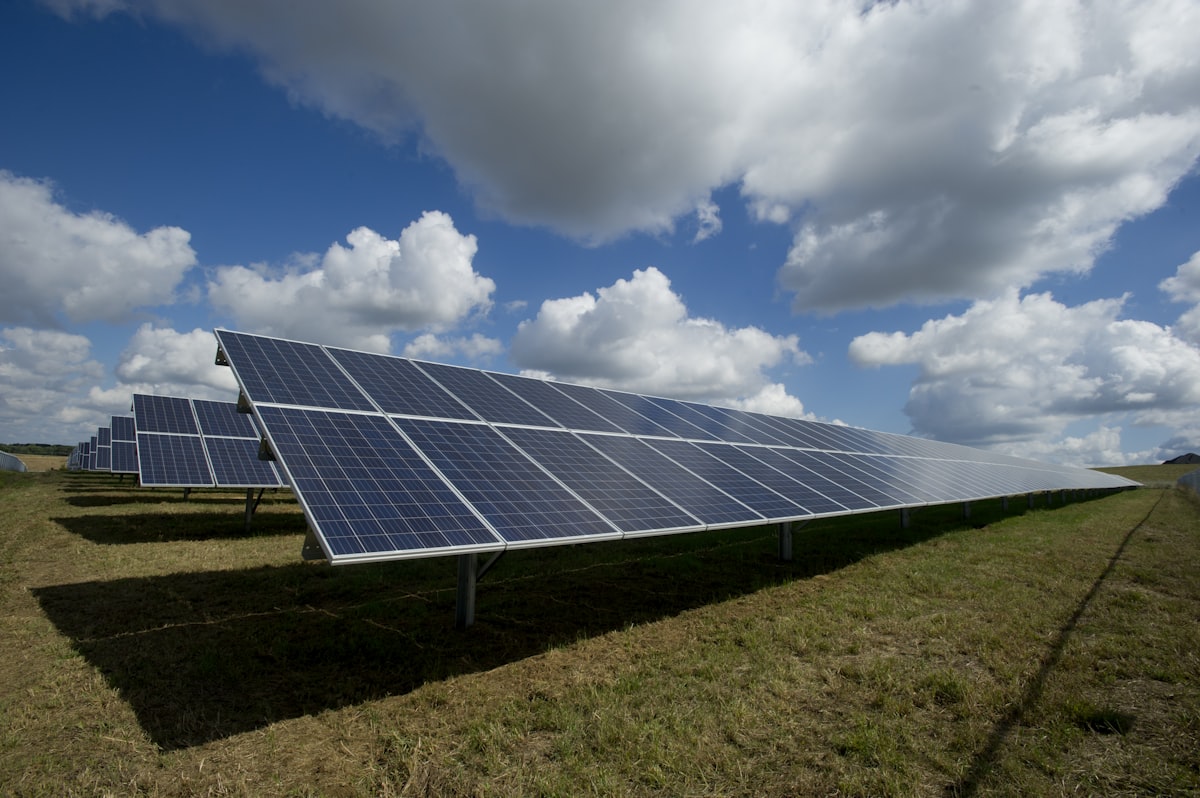
The Netherlands now counts millions of rooftops with solar panels. In our editorial dossiers you can read about the development of solar fields on unused land, floating solar parks on inland waters and the cooperation between housing associations and resident initiatives for collective generation.
Agriculture 5.0
The future of Agriculture 5.0
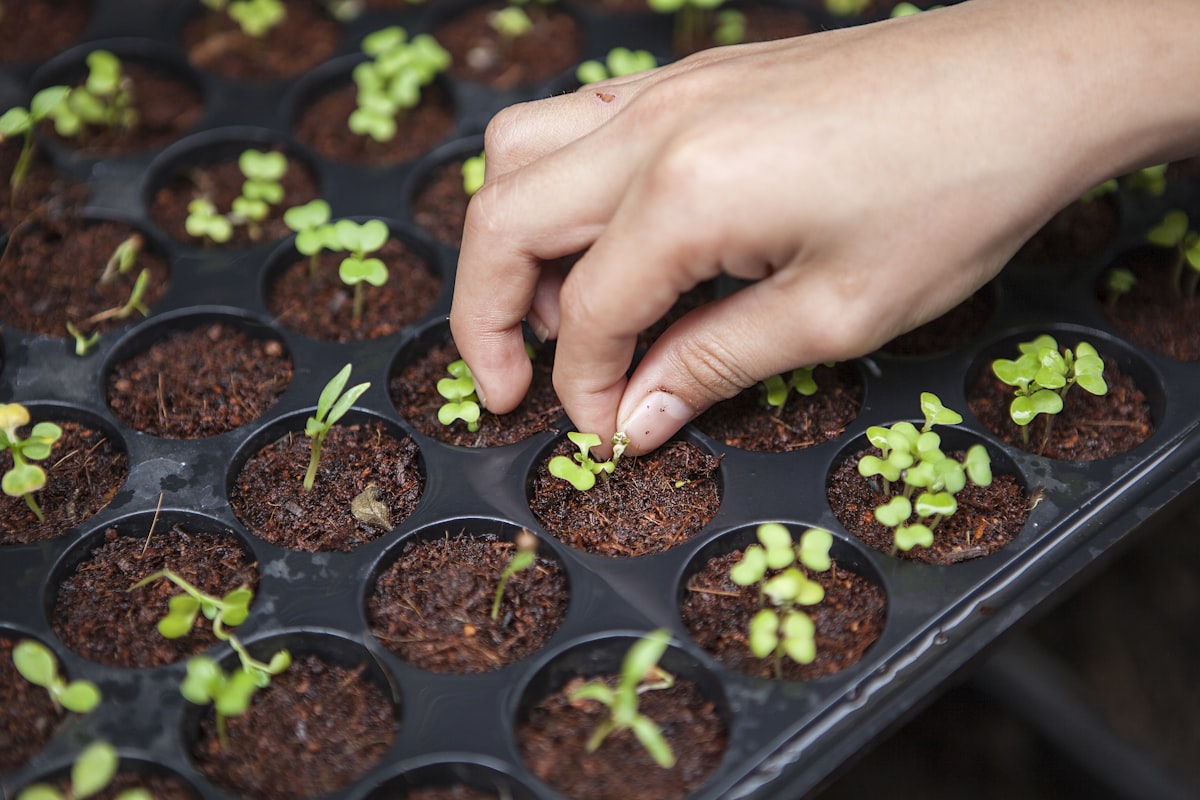
Dutch agriculture and horticulture are known for high productivity per hectare, but also for high nitrogen emissions and intensive water use. Agriculture 5.0 refers to a new generation of agro-technology in which precision farming, satellite data, robotics and circular thinking come together. Research institutions in Wageningen work with growers on crops that are more resistant to drought and saline seepage, while greenhouse companies increasingly use residual flows from solar and wind to heat greenhouses with a neutral footprint. The goal is clear: lower emissions, healthier soils, cleaner surface water and better protection of birds, pollinators and hedges. For the consumer, this development means a more transparent food system, recognisable regional products and a countryside in which nature and farming live side by side rather than in opposition.
We explore how Dutch farmers use satellite data, soil sensors and autonomous machinery to improve yields with fewer pesticides. Special attention goes to soil life, pollinators and meadow birds.
Communication
A shared responsibility
The development of a green Netherlands is not the project of a single ministry or sector. Citizens, municipalities, research institutions and organisations together contribute to a natural balance that we want to preserve for future generations. Clear information, verifiable figures and open communication are the basis for public trust. Monvarerio publishes weekly editorial dossiers and stays close to open sources and scientific research.
A successful transition stands or falls with clear communication. In this section we discuss how municipalities, schools and scientific institutions strengthen ecological awareness through exhibitions, lesson material and public debates.